The OTP call: your bank and your wallet will never ask for the code
A confident voice says there is a problem with your account and asks for the code that just arrived by SMS. That code is the key to your money, and nobody official ever asks for it.
Kansel2 min read
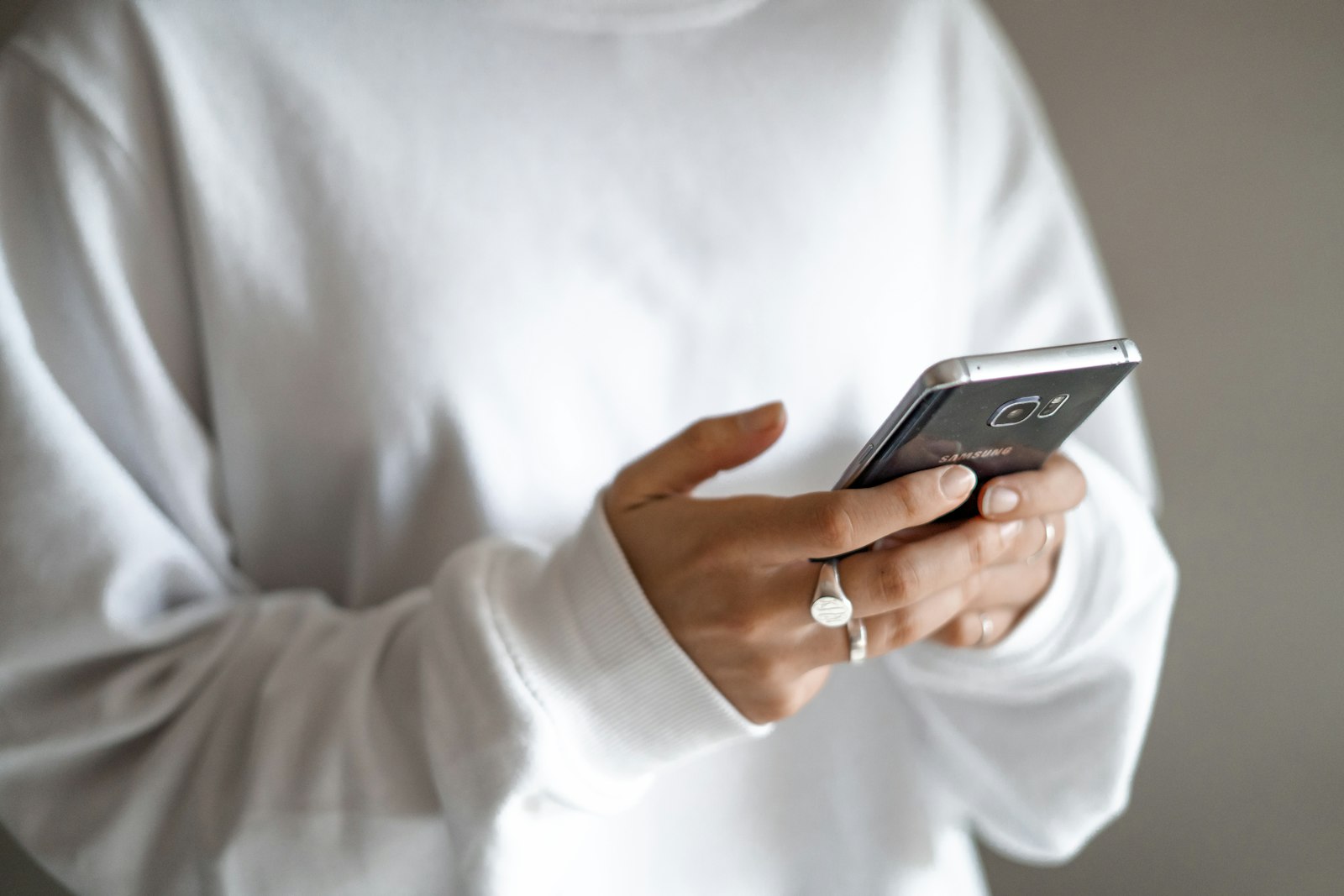
How the call starts
The phone rings from a number you don't have saved. The caller is calm and professional, and behind them you hear an office: keyboards, voices, hold music. They say they are from your bank or your mobile wallet, that there is "a strange transaction" on your account, or an "update that has to be done today" or the account will be closed.
Then the sentence everything is built on: "You'll get a code by SMS now. Read it to me so we can confirm you are the account holder."
That code is an OTP, a one-time password. Whoever has it can move your money, change your PIN, or open your account on another phone. The moment you say it out loud, they are in.
One rule: the code that reaches you is for you alone. Nobody from a bank, a wallet or a mobile operator will ask for it, not in a call and not in a message.
It happens
In a case reported by Egyptian news sites, a young man got a call from someone claiming to be the wallet's customer service, asking him to enter the code "to activate the update". The moment he read it out, 1,000 EGP left his balance. The company then sent every customer an SMS saying it never asks for the PIN or the verification code, and never calls anyone to enter codes on their phone.
The story isn't about that wallet or any one bank. The same call comes in the name of every bank, every wallet and every operator. Only the name changes.
How to recognise it
- Urgency. "Right now", "the account closes in minutes". Real institutions don't work that way.
- A request for the code or the PIN. Whatever the reason, and however much the caller already knows about you (your name, the last digits of your card). That information can leak from anywhere.
- An unknown number. Banks and operators call from numbers that show their name.
- The caller walks you through the app step by step: "open the app, tap here, type this". That means they are running a transaction on their side and waiting for you to confirm it with the code.
What to do
- Hang up. No explanation needed. If it was real, they can reach you officially.
- To check, call the bank or the wallet on the number printed on the back of your card or inside the app, never the number that called you.
- If you already gave the code: call the bank immediately and block the card or the wallet, change the PIN from the app, and file a report with the cybercrime police (hotline 108).
- Report the number in Kansel. Your report protects the next person: the number gets flagged, and then blocked before it rings for anyone else.